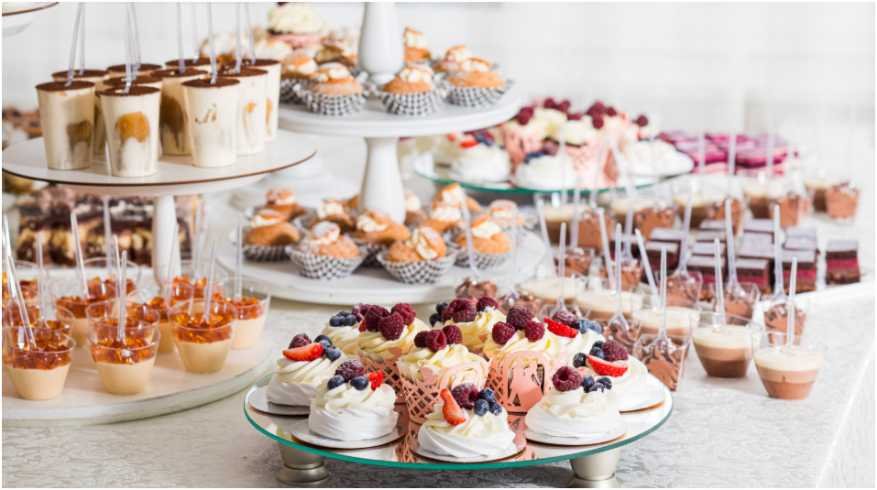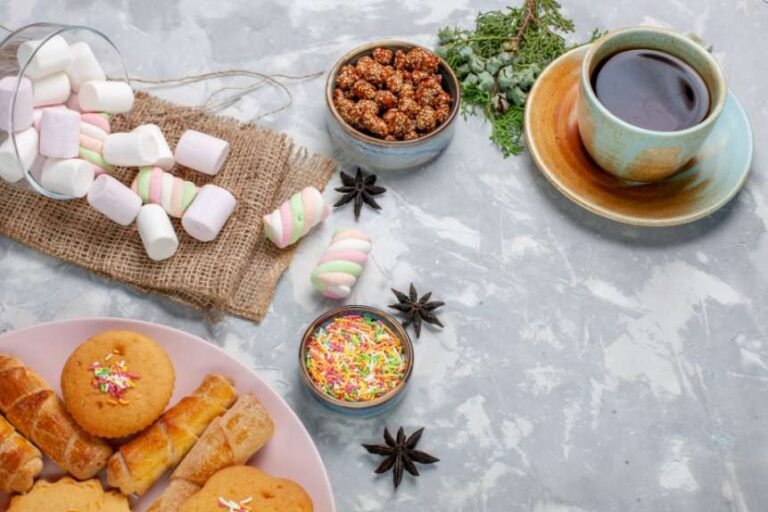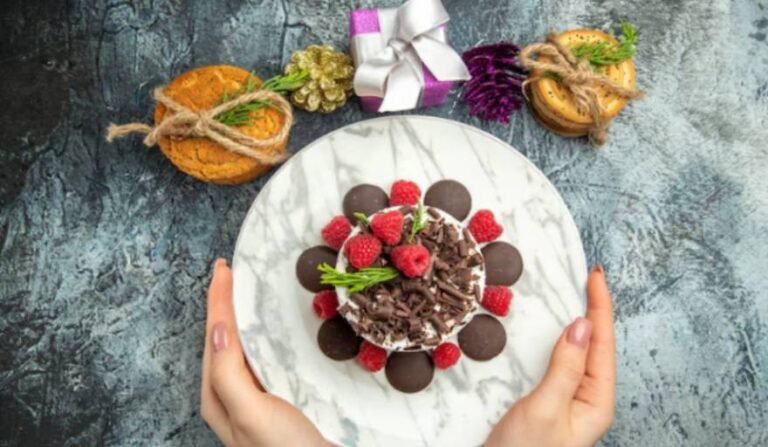




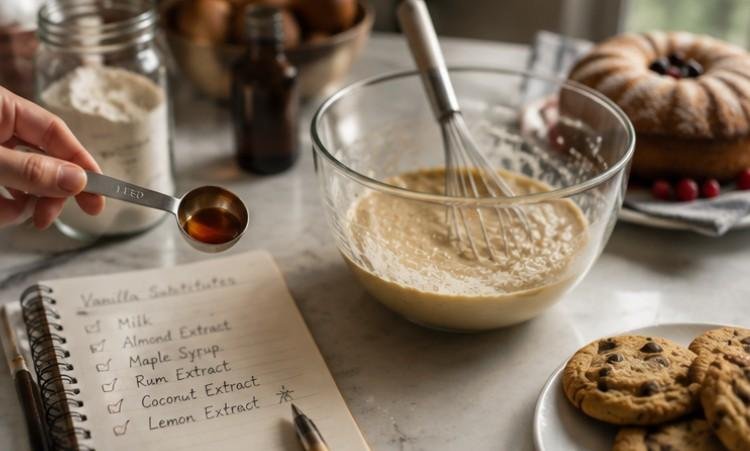
Baking a fresh batch of chocolate chip cookies only to find an empty bottle is a classic home kitchen hurdle. Reaching for an easy substitute for vanilla extract in baking saves your sweet treats without requiring a last-minute trip to the grocery store. Testing different pantry swaps proves that simple everyday liquids often yield delicious, aromatic results in your oven.
Finding a Substitute for Vanilla Extract Saves the Day
Running out of essential baking ingredients happens to everyone, usually right when your mixing bowl is full of wet dough. Discovering a reliable substitute for vanilla extract in baking keeps your kitchen routine stress-free and prevents wasted ingredients. Knowing these simple liquid and spice swaps gives you complete confidence to bake anytime without delay.
Having multiple backup options allows you to adapt to whatever you currently have stocked in your pantry or refrigerator cabinet. It also encourages creative flavor variations that can elevate standard family recipes into memorable signature treats.
Direct Vanilla Alternatives
Utilizing different physical forms of pure vanilla products gives you authentic flavor without altering the delicate chemistry of your baked goods.

Vanilla Bean Paste and Imitation Extract
Vanilla bean paste offers intense flavor alongside those classic black flecks that make homemade desserts look like they came from a professional pastry shop. You can use a direct 1:1 ratio, swapping one teaspoon of paste for every teaspoon of standard extract requested in your recipe.
Imitation vanilla extract is a Budget-friendly alternative that performs exceptionally well during high-heat oven baking. You can substitute it at a simple 1:1 ratio for cookies, sheet cakes, and quick breads without noticing any drop in overall sweetness.
Whole Vanilla Beans and Vanilla Powder
Scraping fresh seeds from a whole vanilla bean pod provides incredible aromatic strength for your special occasion baking. Using 1/3 of a single whole pod, or scraping roughly two inches of a bean, yields flavor equal to one full teaspoon of liquid extract.
Pure vanilla powder is made from dehydrated ground beans and works wonderfully in dry ingredient mixtures. Swap 1/2 to 1 teaspoon of vanilla powder for each teaspoon of extract, depending on the specific brand strength listed on your bottle package.
Pantry Liquid Alternatives
Reaching into your pantry for everyday sweet liquids helps maintain proper moisture while keeping your baking project moving along smoothly.

Pure Maple Syrup for Natural Warmth
Real pure maple syrup is one of the most convenient liquid swaps because its natural caramel notes closely mirror pure vanilla extract. You can use a straight 1:1 ratio in batters, though it adds a subtle maple sweetness that pairs best with cookies and muffins.
Because maple syrup is slightly sweeter than standard extract, you can optionally reduce your granulated sugar by a fraction of a tablespoon. It provides a golden warmth that makes quick breads and breakfast pancakes taste exceptionally rich.
Bourbon or Dark Rum and Vanilla-Flavored Milk
Aged dark spirits like bourbon, dark rum, or brandy contain natural wood compounds called vanillin that mimic vanilla extract almost perfectly. Swap these liquors at a 1:1 ratio, or up to 2x the amount for extra depth, knowing the alcohol bakes away in the oven.
Vanilla-flavored plant milks like oat, soy, or almond milk offer a gentle, alcohol-free alternative for sensitive diets. Use a 2:1 ratio by adding two teaspoons of vanilla-flavored milk for every one teaspoon of extract to keep batters moist.
Alternative Flavor Extracts
Branching out into other liquid extracts allows you to customize your recipes with bright, distinct secondary flavor profiles.
Almond Extract Concentration Rules
Almond extract provides a warm, nutty aroma that complements berry pies, fruit tarts, and butter sugar cookies. However, pure almond oil is much stronger than vanilla extract, meaning a heavy hand can easily overpower your delicate baked goods.
Always use 1/2 teaspoon of almond extract for every 1 teaspoon of vanilla extract required in your recipe instructions. This half-measure gives your treats a pleasant bakery fragrance without dominating the other sweet ingredients.
Fruit and Mint Extract Variations
Other specialty options like lemon, orange, or peppermint extract can step in as creative replacements when you are completely out of vanilla. Use a 1:1 ratio for these extracts only if their distinct fruit or mint notes match the flavor of your specific recipe.
For instance, citrus extracts shine in summer sponge cakes, while peppermint extract works brilliantly in holiday chocolate brownies. Always consider the finished combination before pouring strong fruit oils directly into your wet dough mixture.
Applying Any Substitute for Vanilla Extract in Baking

Executing a smooth ingredient swap requires a quick three-step approach to keep your baked goods tender, balanced, and deliciously fragrant.
First, identify the primary role vanilla plays in your dessert. If vanilla is the central flavor of a delicate white cake or custard, choose a direct vanilla swap like bean paste or dark bourbon. If vanilla is just a background note in a bold chocolate brownie, simple syrup or spices work fine.
Second, measure liquid alternatives carefully to protect your recipe balance. When using concentrated flavorings like almond extract, stick strictly to half measurements to avoid harsh tastes. When using plant milks, mix them into your wet ingredients before combining with flour.
Third, adjust overall sweetness and bake as usual. If you choose sweet maple syrup or honey, reduce your dry sugar slightly to prevent over-browning in the oven. Place your pans on the center rack and follow your original baking times closely.
Frequently Asked Questions
1. What can I use if I don’t have any vanilla extract?
You can easily use maple syrup, dark bourbon, vanilla bean paste, or almond extract. Maple syrup, bourbon, and vanilla paste work as simple 1:1 replacements, while almond extract requires using only half the listed measurement.
2. What happens if you leave vanilla extract out of a recipe?
Leaving vanilla extract out reduces background sweetness slightly, but your recipe will still bake with proper structure. Bold recipes featuring chocolate, peanut butter, citrus, or heavy spices taste delicious even without vanilla.
3. What can I use as a substitute for vanilla extract in baking?
Pure maple syrup, dark rum, vanilla bean paste, and almond extract are the absolute best choices. You can also use vanilla-flavored plant milk or warm spices like ground cinnamon to build rich flavor.
4. Can I skip vanilla extract in baking?
Yes, you can safely skip vanilla extract in almost any baked good without ruining the final texture or rise. Items with strong cocoa powder, fruit, or brown sugar naturally carry enough flavor on their own.
Happy Baking With Simple Kitchen Swaps
Mastering every potential substitute for vanilla extract in baking keeps your favorite kitchen projects running smoothly without any stress. Whether you decide to pour pure maple syrup, splash dark bourbon, or add a dash of almond extract, your desserts will bake up fragrant and delicious. Keep these easy kitchen ratios handy so you can keep baking wonderful sweet treats whenever inspiration strikes!